


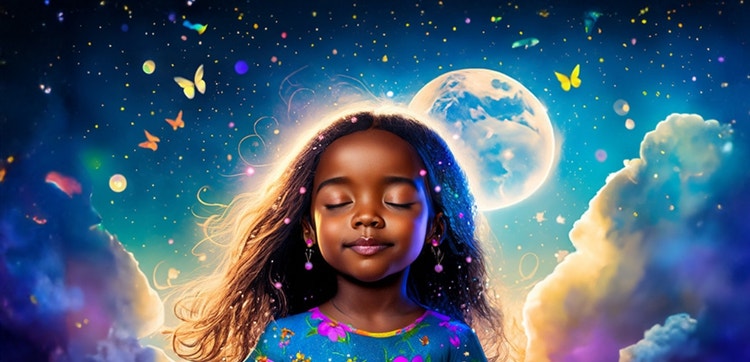
AI art is a fascinating blend of technology and creativity. It uses artificial intelligence to generate unique artworks.
AI art is gaining popularity in the digital age. Artists and tech enthusiasts are curious about its potential. But what exactly is AI art? This form of art is created with algorithms and computer programs. Artists input data and the AI produces stunning visuals.
It can mimic styles of famous artists or create entirely new ones. AI art challenges traditional notions of creativity. It opens new doors for innovation in the art world. Whether you are an artist or a tech lover, AI art offers a fresh perspective. Dive in to explore how AI is transforming art as we know it.
Credit: www.adobe.com
Introduction To Ai Art
Artificial Intelligence (AI) has entered many areas of our lives. One exciting field it is transforming is art. AI art is a fascinating blend of technology and creativity. This introduction aims to give a clear understanding of what AI art is and its brief history.
Defining Ai Art
AI art refers to art created using artificial intelligence. It involves machines that can generate, modify, and enhance images or artworks. These machines use algorithms to learn patterns and styles from large datasets. The result is often a unique piece that combines human creativity and machine precision.
AI art can take many forms, such as:
- Paintings
- Sculptures
- Music compositions
- Digital illustrations
AI tools can assist artists in creating new pieces. They can also generate art independently, producing surprising and innovative results.
Brief History Of Ai In Art
The roots of AI art go back to the 1950s. Early experiments used simple programs to create basic patterns. As technology advanced, so did the complexity and quality of AI-generated art.
In the 1990s, more sophisticated algorithms emerged. Artists began collaborating with AI to produce more intricate works. The introduction of neural networks in the 2000s marked a significant leap. These networks allowed machines to learn from vast amounts of data, mimicking human creativity more closely.
Recent years have seen AI art gaining mainstream attention. High-profile exhibitions and auctions feature AI-generated pieces. Some of these works sell for high prices, showing the growing acceptance and appreciation of AI art.
| Decade | Milestone |
|---|---|
| 1950s | First experiments with simple programs |
| 1990s | Collaboration between artists and AI algorithms |
| 2000s | Introduction of neural networks |
| 2010s | Mainstream acceptance and high-profile exhibitions |
AI art continues to evolve. It challenges our understanding of creativity and the role of technology in art.
How Ai Creates Art
AI Art is a fascinating field where technology meets creativity. But how does AI create art? Let’s dive into the process to understand the magic behind it.
Algorithms And Techniques
AI uses complex algorithms to generate art. These algorithms are sets of rules and calculations. They help the AI learn from existing art and create new pieces. One popular technique is Generative Adversarial Networks (GANs). GANs have two parts: the generator and the discriminator.
- The generator creates images.
- The discriminator evaluates them.
The generator tries to fool the discriminator. This process continues until the images look realistic. Another technique is the use of Neural Networks. They mimic the human brain to understand patterns and styles in art. These networks can apply those styles to new creations.
Tools And Software
Various tools and software make AI art creation accessible. Some of the popular tools include:
- DeepArt – Uses deep learning to transform photos into artwork.
- RunwayML – Provides an easy interface to create AI art.
- Google DeepDream – Generates dream-like images using neural networks.
These tools have pre-built algorithms. They allow artists to focus on creativity without worrying about technical details. Many of these tools offer user-friendly interfaces. They help both beginners and experts create stunning AI art.
AI art is a blend of technology and creativity. By understanding the algorithms and using the right tools, anyone can create beautiful art.
Applications Of Ai Art
Artificial Intelligence (AI) has revolutionized various fields, including art. AI art incorporates algorithms and machine learning to create stunning and innovative artworks. Below, we delve into the exciting applications of AI art.
Digital Art Creation
AI art tools have transformed digital art creation. These tools allow artists to generate unique pieces quickly. AI can analyze thousands of artworks to create new styles. This helps in producing diverse and original art. Artists can input their ideas, and AI brings them to life.
AI algorithms can also enhance existing artworks. They can add new layers and textures. This is particularly useful for digital painters and graphic designers. With AI, artists can experiment with different effects. This opens up endless possibilities for creativity.
Below is a table summarizing the benefits of AI in digital art creation:
| Benefit | Description |
|---|---|
| Speed | AI tools create art quickly. |
| Variety | Generates diverse and unique styles. |
| Enhancement | Improves and adds to existing art. |
| Experimentation | Allows for trying new effects. |
Interactive Installations
AI art also plays a significant role in interactive installations. These installations respond to viewer inputs. They create a dynamic and engaging experience. For instance, an AI installation might change based on viewer movements. This makes the art piece come alive.
AI can also use data from sensors to adjust the installation. It can change colors, shapes, and sounds. This creates a personalized experience for each viewer. Museums and galleries use these installations to attract more visitors. They offer a fresh and exciting way to experience art.
Benefits of AI in interactive installations:
- Dynamic and responsive art
- Engages viewers actively
- Personalized experiences
- Attracts more visitors
Impact On Traditional Art
AI art is changing the world of traditional art. Artists now use AI tools to create unique works. This new technology brings both excitement and concern. Let’s explore how AI art impacts traditional art.
Collaboration With Artists
Many artists see AI as a new partner. AI tools help them explore fresh ideas. They mix human creativity with machine power. This collaboration leads to amazing new pieces. Artists can now push the limits of their imagination.
Challenges And Criticisms
Despite the benefits, AI art faces criticism. Some say it lacks true creativity. Machines follow patterns and rules. They don’t feel emotions. Critics argue that art needs a human touch. They worry that AI will take over jobs. Traditional artists may lose their place in the art world.
There are also concerns about originality. AI can copy styles and techniques. This raises questions about authorship. Who owns the AI-generated art? The person who programmed the AI, or the AI itself? These issues need careful thought. They affect the future of art.
Ai Art In The Market
AI Art has become a significant player in the art market. With its unique blend of creativity and technology, AI-generated art is captivating collectors and investors alike. Let’s delve into how AI art is valued and its presence in notable auctions.
Valuation And Sales
The value of AI art varies, influenced by several factors. These include the artist’s reputation, the complexity of the algorithm used, and the uniqueness of the artwork. In recent years, the market has seen some AI art pieces sell for substantial amounts.
Here is a table that highlights some key sales:
| Artwork | Artist | Sale Price |
|---|---|---|
| Edmond de Belamy | Obvious | $432,500 |
| Memories of Passersby I | Mario Klingemann | $40,000 |
| AI Generated Nude Portrait #1 | Robbie Barrat | $8,000 |
The table above shows that AI art can command high prices. As the market matures, these prices may increase further.
Notable Auctions
AI art has made a mark in several prestigious auctions. Christie’s was the first major auction house to sell AI art. Their sale of ‘Edmond de Belamy’ marked a significant milestone. This event opened doors for AI art in the market.
Other notable auctions include:
- Sotheby’s auctioned ‘The Faceless Portrait’ by AI artist AI-DA.
- Phillips featured ‘Memories of Passersby I’ by Mario Klingemann.
- Christie’s also sold ‘AI Generated Nude Portrait #1’ by Robbie Barrat.
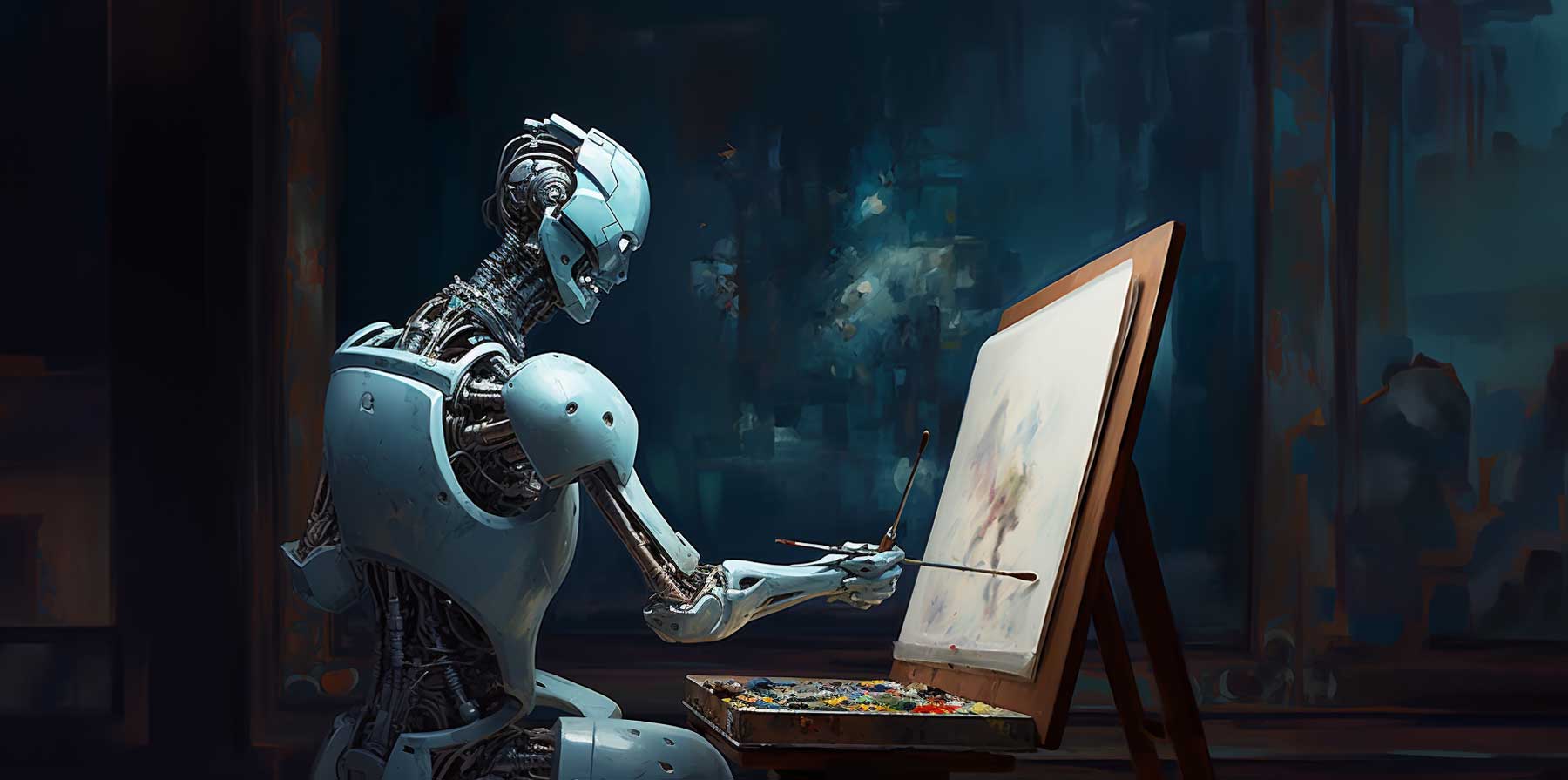
These auctions highlight the growing acceptance of AI art in the traditional art market. Collectors and investors are showing increasing interest in AI-generated pieces.
Credit: www.elegantthemes.com
Ethical Considerations
Ethical Considerations play a crucial role in the world of AI art. As AI continues to evolve, it’s important to address the moral dilemmas that arise. These considerations ensure that AI art remains fair, inclusive, and respectful of human creativity.
Authorship And Ownership
One of the biggest questions in AI art is about authorship and ownership. Who owns the artwork created by AI? The person who programmed the AI, the AI itself, or the person who provided the data? Traditionally, artists hold rights to their creations. But with AI, this becomes complex.
In some cases, AI-generated art is a collaboration. The human provides the vision, and the AI executes it. This raises questions about intellectual property and copyrights. Legal systems globally are still figuring out how to handle this.
Bias And Representation
AI can only create art based on the data it’s trained on. This data often reflects the biases of its human creators. If the dataset is biased, the AI art will be too. This can lead to misrepresentation and the exclusion of certain groups.
For example, an AI trained on Western art may not represent other cultures. This lack of diversity can perpetuate stereotypes and reinforce existing inequalities. It’s essential to train AI on diverse datasets to ensure fair representation.
- Ensure diverse datasets
- Regularly audit AI for biases
- Promote inclusivity in AI art
By addressing these ethical considerations, the world of AI art can become more inclusive and fair. This not only benefits artists but also enriches the art world as a whole.
Future Of Ai Art
The Future of AI Art is a fascinating topic. It brings together technology and creativity in unique ways. Let’s explore the upcoming changes and trends in AI art. These developments will shape how we create and appreciate art.
Technological Advancements
AI art is evolving quickly. New algorithms and software make AI art more sophisticated. These advancements help artists create complex and detailed works. They also make AI tools more accessible to everyone.
For example, Generative Adversarial Networks (GANs) have improved AI art significantly. GANs use two networks: one creates images, and the other evaluates them. This process helps create high-quality and realistic art.
Another advancement is Neural Style Transfer. This technique allows AI to apply the style of one image to another. It helps artists experiment with different styles and techniques easily.
Additionally, AI tools are becoming more user-friendly. This means more people can use AI for their art projects. Even those without technical skills can create stunning AI art.
Potential Trends
AI art will see many exciting trends in the future. These trends will change how we create and view art.
- Collaborative Art: Artists and AI will work together more often. This collaboration will lead to unique and innovative works.
- Interactive Art: AI art will become more interactive. Viewers will engage with art in new and immersive ways.
- Personalized Art: AI can create art tailored to individual preferences. This will make art more personal and meaningful.
- Sustainability: AI can help create eco-friendly art. It can reduce waste and use fewer resources.
These trends will make AI art more diverse and accessible. They will also push the boundaries of what art can be.
In summary, the future of AI art is bright and full of potential. Technological advancements and emerging trends will shape this exciting field. Artists and audiences alike will benefit from these changes.
Famous Ai Artworks
AI art is revolutionizing the world of creativity. Some AI artworks have already made a significant impact. Here, we explore some famous AI artworks, their iconic pieces, and the influential artists behind them.
Iconic Pieces
Several AI artworks have gained fame. Below are some notable pieces:
- Edmond de Belamy: Created by Obvious, this AI-generated portrait sold for $432,500 at Christie’s.
- Memories of Passersby I: Mario Klingemann’s installation generates endless portraits using AI.
- The Next Rembrandt: A project that created a new painting in Rembrandt’s style using AI algorithms.
These works demonstrate AI’s potential in creating unique and valuable art.
Influential Artists
Several artists have embraced AI to create stunning artworks. Here are a few:
| Artist | Contribution |
|---|---|
| Obvious | Known for creating Edmond de Belamy, a historic AI-generated portrait. |
| Mario Klingemann | Created Memories of Passersby I, an AI art installation. |
| Robbie Barrat | Experimented with AI to create various digital artworks. |
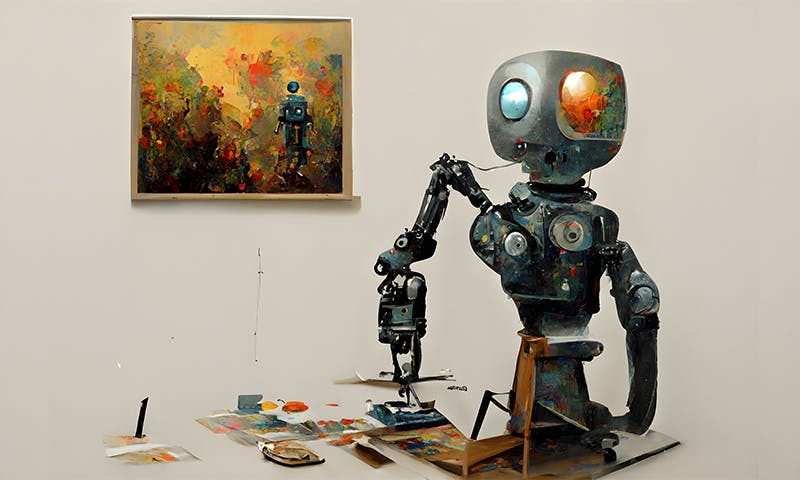
These artists are pushing the boundaries of AI in the art world.
Credit: nautil.us
Conclusion
AI art is transforming the creative world. It blends technology with imagination. Artists now have new tools to create unique works. This fusion opens endless possibilities. Exploring AI art can be both fun and inspiring. It challenges traditional boundaries. As AI evolves, so will the art.
Embrace this exciting journey. Discover new ways to express yourself. The future of art is here. Dive into AI art today. Enjoy the blend of creativity and innovation.