


Effective project management needs accurate and reliable accounting. Accounting software for project management helps track expenses, allocate resources, and ensure financial health.
This software integrates accounting tasks with project management, making the process seamless and efficient. Managing multiple projects can be complex and time-consuming. Accounting software designed for project management simplifies this by automating financial tracking and reporting. It helps you monitor budgets, forecast costs, and manage invoices all in one place. This integration saves time and reduces errors, allowing project managers to focus on delivering successful projects. Whether you manage a small team or a large enterprise, using specialized accounting software can streamline your workflow and improve financial oversight. For more details on the best accounting software for project management, visit Godlike.Host.
Introduction To Accounting Software For Project Management
Managing projects involves many tasks, including tracking expenses, billing clients, and managing budgets. Accounting software for project management helps simplify these tasks, ensuring your projects stay on budget and on schedule. By integrating accounting features directly into your project management tools, you can streamline your workflow and improve overall efficiency.
What Is Accounting Software For Project Management?
Accounting software for project management combines financial management and project tracking in one system. It allows you to manage project budgets, track expenses, and generate financial reports with ease. This software is particularly useful for businesses that need to handle multiple projects simultaneously, ensuring all financial aspects are accurately monitored and reported.
The Importance Of Streamlining Workflow In Project Management
Streamlining workflow in project management is crucial for maintaining efficiency and reducing errors. By using accounting software designed for project management, you can automate many financial tasks, such as:
- Expense tracking
- Invoice generation
- Budget monitoring
This automation not only saves time but also minimizes the risk of human error. Furthermore, having all financial data in one system makes it easier to generate comprehensive reports and make informed decisions quickly.
In addition, the integration of accounting and project management tools helps in maintaining consistent communication between teams. This ensures everyone is on the same page regarding budget constraints and financial milestones. Efficient workflow management leads to better project outcomes and higher client satisfaction.
Key Features Of Accounting Software For Project Management
Modern accounting software for project management offers numerous features that help streamline workflows and improve productivity. These features are essential for managing finances, tracking time, and collaborating with team members. Here are some key features to look for in accounting software for project management.
Integrated Invoicing And Billing
Efficient invoicing and billing are crucial for project management. Accounting software should allow you to create, send, and track invoices from a single platform. This integration helps ensure that all financial transactions are recorded accurately.
- Automated invoice generation
- Customizable invoice templates
- Payment tracking
Time Tracking And Expense Management
Accurate time tracking and expense management are vital for project success. The software should include tools to monitor the time spent on tasks and manage project expenses. This helps keep projects on budget and on schedule.
| Feature | Description |
|---|---|
| Time Tracking | Track hours spent on specific tasks |
| Expense Management | Log and categorize project expenses |
Budgeting And Forecasting Tools
Effective budgeting and forecasting tools are necessary for managing project finances. These tools help predict future costs and allocate resources efficiently. They also provide insights into project financial health.
- Create detailed budgets
- Analyze financial data
- Generate financial forecasts
Collaborative Capabilities
Collaboration is key in project management. Accounting software should offer features that enable team collaboration. This includes sharing financial data, communicating about tasks, and working together on project budgets.
- Shared access to financial reports
- Real-time collaboration tools
- Role-based permissions
Customizable Reporting
Customizable reporting is essential for analyzing project performance. The software should allow users to create reports tailored to their specific needs. This helps in making informed decisions based on accurate data.
- Custom report templates
- Data visualization tools
- Exportable reports
Benefits Of Using Accounting Software For Project Management
Accounting software for project management offers numerous benefits that can transform your business operations. This software integrates financial management with project management, providing a seamless experience. Below are the key benefits of using accounting software for project management:
Enhanced Financial Accuracy
Accounting software ensures enhanced financial accuracy by automating calculations and reducing human error. This accuracy is crucial for project budgeting and financial reporting.
With automated processes, you can track expenses, generate invoices, and manage payroll with precision. This leads to more reliable financial data and better financial planning.
Improved Team Collaboration
Improved team collaboration is another significant benefit. Accounting software allows team members to access financial data and project updates in real-time.
This shared access fosters better communication and coordination among team members. It ensures everyone is on the same page, which is essential for project success.
Increased Productivity And Efficiency
Using accounting software can lead to increased productivity and efficiency. The software automates repetitive tasks, freeing up time for your team to focus on more critical activities.
By streamlining workflows, the software reduces the time spent on manual data entry and financial tracking. This efficiency translates to faster project completion and improved overall performance.
Better Decision-making With Real-time Data
Accounting software provides real-time data that is crucial for better decision-making. Access to up-to-date financial information allows project managers to make informed decisions quickly.
With real-time insights, you can identify potential issues early and adjust project plans accordingly. This proactive approach helps in keeping projects on track and within budget.
Reduced Administrative Workload
One of the most significant advantages is the reduced administrative workload. Accounting software automates many administrative tasks, such as data entry, report generation, and expense tracking.
This automation reduces the need for manual intervention, minimizing administrative burdens. It allows your team to focus on strategic tasks that add value to the project.
Pricing And Affordability
Choosing the right accounting software for project management involves considering the cost. Understanding pricing and affordability helps in making informed decisions. This section highlights the cost breakdown and value for money in popular accounting software.
Cost Breakdown Of Popular Accounting Software
Accounting software comes with various pricing plans. Here’s a cost breakdown of some popular options:
| Software | Basic Plan | Standard Plan | Premium Plan |
|---|---|---|---|
| QuickBooks | $25/month | $50/month | $75/month |
| FreshBooks | $15/month | $25/month | $50/month |
| Xero | $20/month | $30/month | $40/month |
These prices vary based on features and the number of users.
Value For Money: Features Vs. Pricing
Evaluating value for money is essential. Comparing features with pricing ensures you get the best deal.
- QuickBooks: Includes invoicing, expense tracking, and payroll. Suitable for small to medium businesses.
- FreshBooks: Offers time tracking, project management, and client collaboration. Ideal for freelancers.
- Xero: Provides bank reconciliation, inventory management, and multi-currency support. Great for growing businesses.
Consider your business needs and budget. Choose software that offers the best features within your price range. Investing in the right software improves efficiency and project management.
Pros And Cons Of Accounting Software For Project Management
Integrating accounting software with project management can streamline operations, improve accuracy, and enhance decision-making. However, there are both advantages and potential drawbacks to consider when using accounting software for project management.
Advantages Of Integrating Accounting With Project Management
- Enhanced Financial Tracking: Combining accounting with project management allows for real-time tracking of expenses and revenues. This improves budget adherence.
- Improved Decision Making: Access to up-to-date financial data can help managers make informed decisions quickly.
- Time Efficiency: Automation of repetitive tasks, such as invoicing and expense reporting, saves time and reduces human error.
- Resource Allocation: Better financial insights aid in the optimal allocation of resources across projects.
- Compliance and Reporting: Integrated systems ensure that financial reporting meets regulatory requirements, reducing compliance risks.
Potential Drawbacks And Limitations
- Cost: The initial setup and ongoing maintenance of integrated systems can be expensive.
- Complexity: Combining two systems can lead to a steep learning curve for staff, requiring extensive training.
- Data Security: With more data integration, there is a higher risk of data breaches. Ensuring robust security measures is crucial.
- System Compatibility: Not all accounting software may be compatible with existing project management tools, which can cause integration challenges.
- Over-Reliance on Automation: Dependence on automated systems may lead to reduced oversight and potential oversight of critical issues.
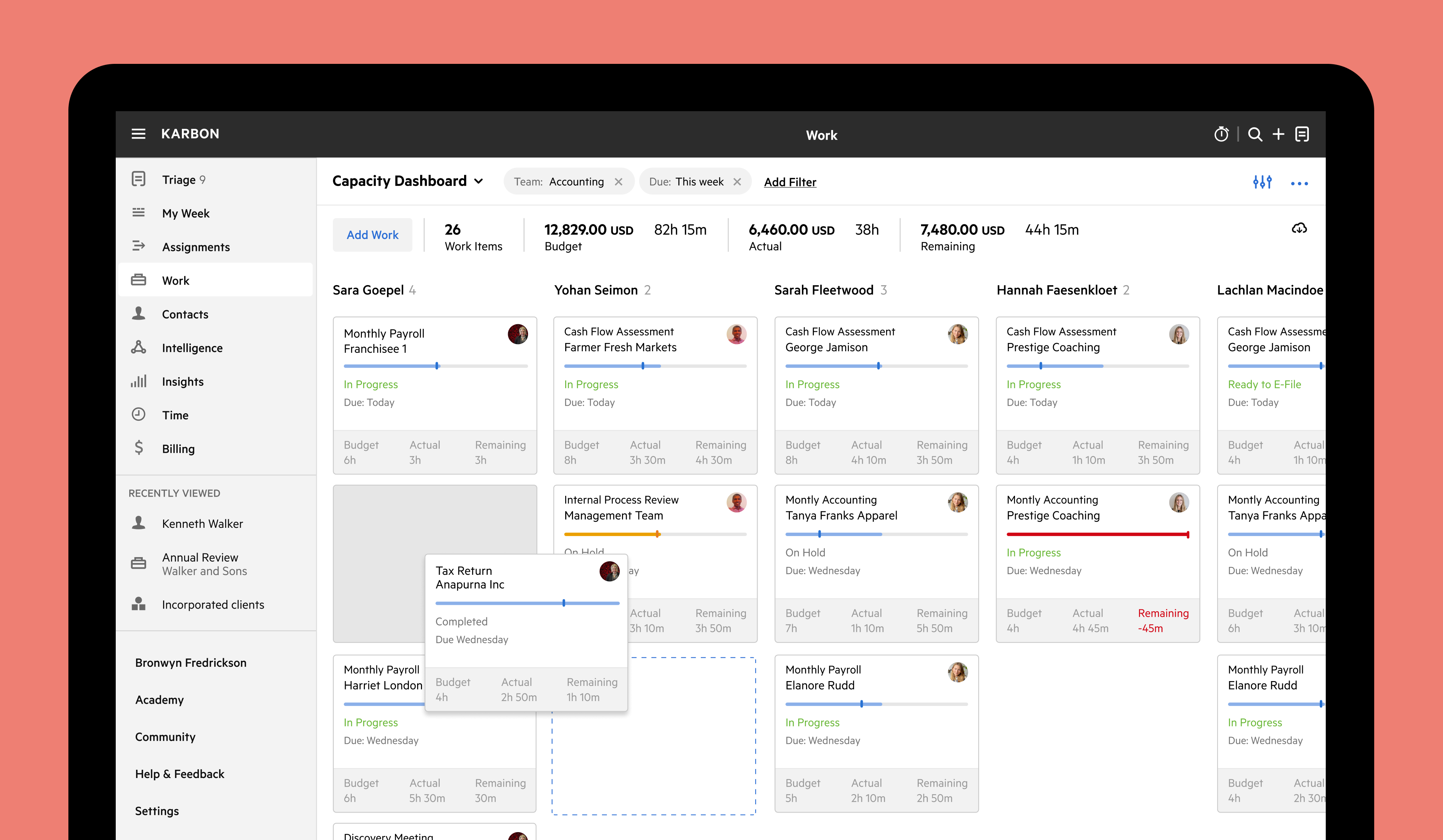
Credit: karbonhq.com
Ideal Users And Scenarios For Accounting Software
Accounting software is a versatile tool designed for various users and scenarios. It streamlines financial processes, making it ideal for different industries and business sizes. Let’s explore who benefits most from using accounting software and the specific scenarios where it excels.
Best Industries And Business Sizes For Implementation
Accounting software is beneficial for a wide range of industries. Here are the key sectors that can make the most out of it:
| Industry | Benefits |
|---|---|
| Construction | Track project costs, manage budgets, and handle large volumes of transactions. |
| Consulting | Bill clients accurately, manage expenses, and ensure timely payments. |
| Marketing | Monitor campaign budgets, track client invoices, and manage payroll. |
Businesses of all sizes can benefit from accounting software. Here are the primary business sizes that should consider implementation:
- Small Businesses: Simplify bookkeeping, manage cash flow, and save time on financial tasks.
- Medium Enterprises: Ensure compliance, streamline payroll, and generate financial reports.
- Large Corporations: Handle complex financial data, integrate with other systems, and enhance decision-making.
Specific Scenarios Where Accounting Software Excels
There are numerous scenarios where accounting software proves to be invaluable. Here are some specific use cases:
- Project Cost Management: Keep track of project expenses, allocate resources efficiently, and stay within budget.
- Invoice Management: Generate and send invoices promptly, track payments, and reduce overdue accounts.
- Financial Reporting: Create detailed financial reports, analyze performance, and make data-driven decisions.
- Tax Compliance: Simplify tax calculations, generate necessary documents, and ensure compliance with regulations.
In summary, accounting software is an essential tool for businesses across various industries and sizes. It enhances financial management, ensuring efficiency and accuracy in all financial processes.
Conclusion: Streamlining Your Workflow With Accounting Software
Integrating accounting software into project management can greatly improve efficiency. It provides a unified platform to manage finances and track project progress. Leveraging such tools ensures better control and transparency, ultimately leading to successful project outcomes.
Summarizing The Key Benefits
Using accounting software for project management offers numerous benefits. Here are some key advantages:
- Time-Saving Automation: Automates repetitive tasks, reducing manual effort.
- Financial Accuracy: Minimizes errors in financial calculations and reporting.
- Real-Time Tracking: Provides up-to-date insights into project finances.
- Improved Collaboration: Enhances team coordination with shared financial data.
- Cost Management: Helps in monitoring and controlling project budgets.
Final Recommendations For Project Managers
Project managers should consider the following when choosing accounting software:
- Scalability: Ensure the software can grow with your project needs.
- Integration: Look for software that integrates seamlessly with other tools you use.
- User-Friendly Interface: Choose a platform that is easy for your team to adopt.
- Support and Training: Opt for software that offers strong customer support and training resources.
- Security Features: Prioritize software with robust security measures to protect financial data.
By considering these factors, project managers can select the best accounting software to streamline workflows and enhance project success.
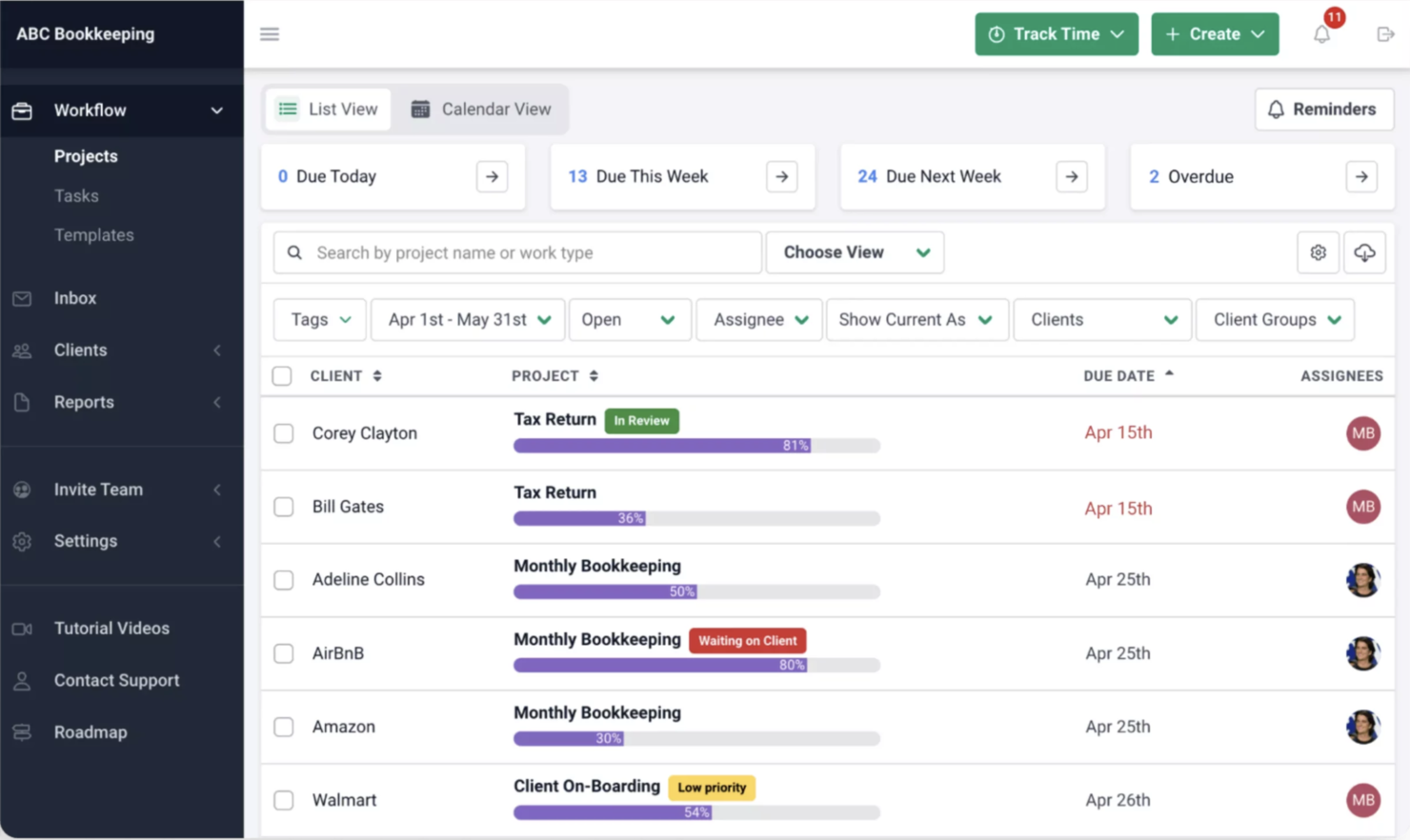
Credit: thedigitalprojectmanager.com
Credit: thedigitalprojectmanager.com
Frequently Asked Questions
What Is Accounting Software For Project Management?
Accounting software for project management helps track project costs, manage budgets, and monitor financial performance. It integrates financial data with project management features, ensuring accurate financial reporting and effective resource allocation.
How Does Accounting Software Improve Project Management?
Accounting software improves project management by providing real-time financial insights, automating billing, and ensuring accurate budget tracking. This leads to better decision-making and efficient resource management.
Can Accounting Software Track Project Expenses?
Yes, accounting software can track project expenses. It records all expenditures, categorizes costs, and generates detailed expense reports. This helps in budget adherence and financial transparency.
Is Accounting Software Suitable For Small Businesses?
Yes, accounting software is suitable for small businesses. It simplifies financial management, reduces manual errors, and ensures compliance. It also saves time and enhances productivity.
Conclusion
Choosing the right accounting software can streamline project management tasks. This ensures efficiency and accuracy. Consider your specific needs before making a decision. Effective accounting software can significantly enhance productivity. For high-performance game server hosting, check out Godlike.Host. It offers powerful hardware and low latency for an enhanced gaming experience. Enjoy unique features and easy server management. Make your projects and gaming life easier today.